Why the same painting works on one wall and dies on another
Orientation has guided placement for centuries, across traditions that never met. The reasoning is less mystical than it sounds.
28 July 2026 · 6 minute read
Every tradition that has thought seriously about buildings has also thought about which wall a thing belongs on. Vastu assigns qualities to the eight directions. Feng shui maps a home onto a grid of intentions. European churches were oriented east long before anyone wrote down why. These systems disagree on almost everything except the underlying claim: that where a thing hangs changes what it does.
Strip away the metaphysics and a practical core remains. Direction is a proxy for light. A north-facing wall in the northern hemisphere receives soft, cool, consistent illumination all day — which is exactly why painters have always wanted north-facing studios, and why work with delicate tonal transitions survives there. A south wall takes hard, moving, warm light that flattens subtlety and blows out pale passages.
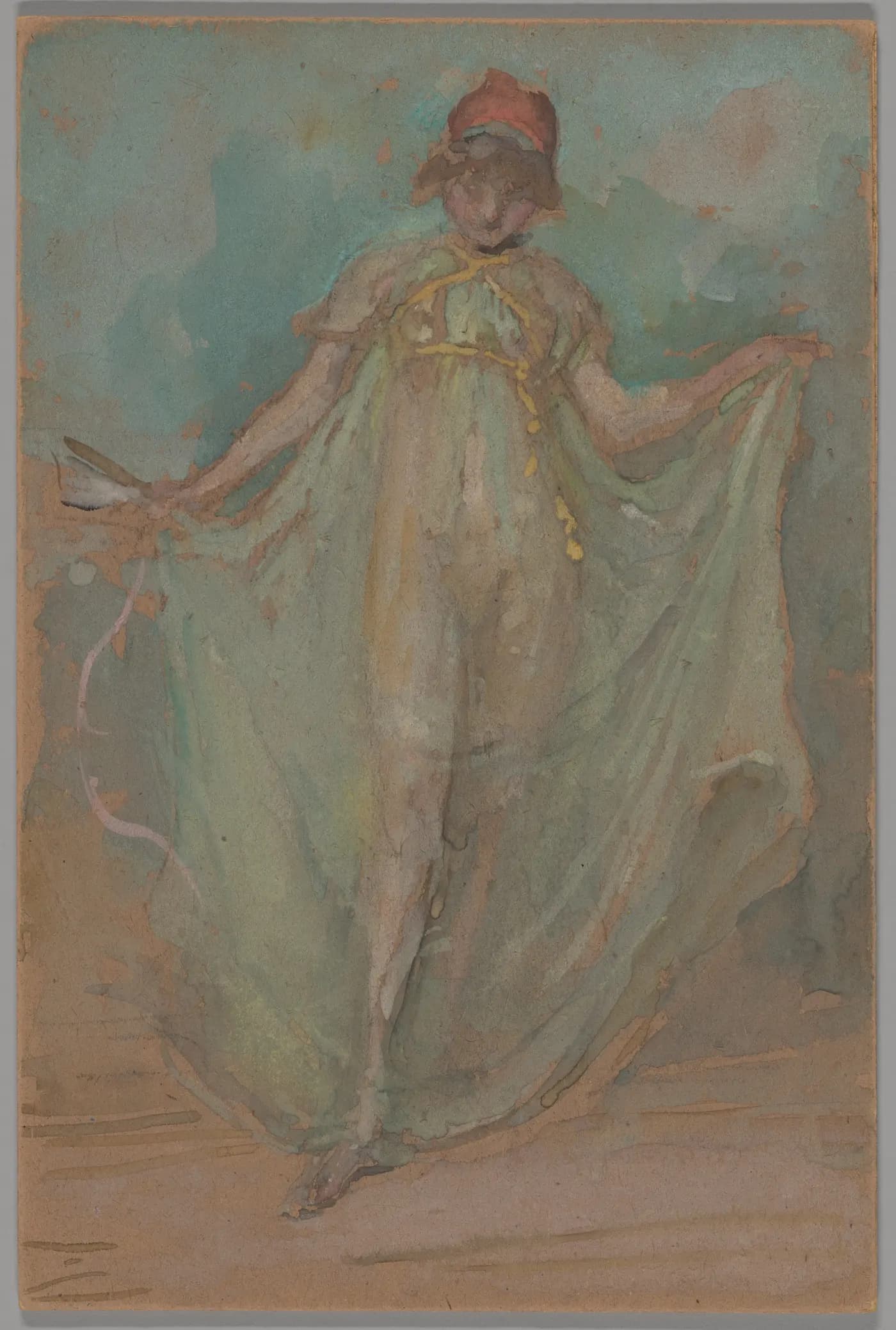
So when a tradition says calm belongs in the north-east, it is describing, in the vocabulary available at the time, a wall that receives first light and holds it evenly. A misty landscape hung there is legible at seven in the morning and at six in the evening. Hung opposite, it spends half the day as glare.
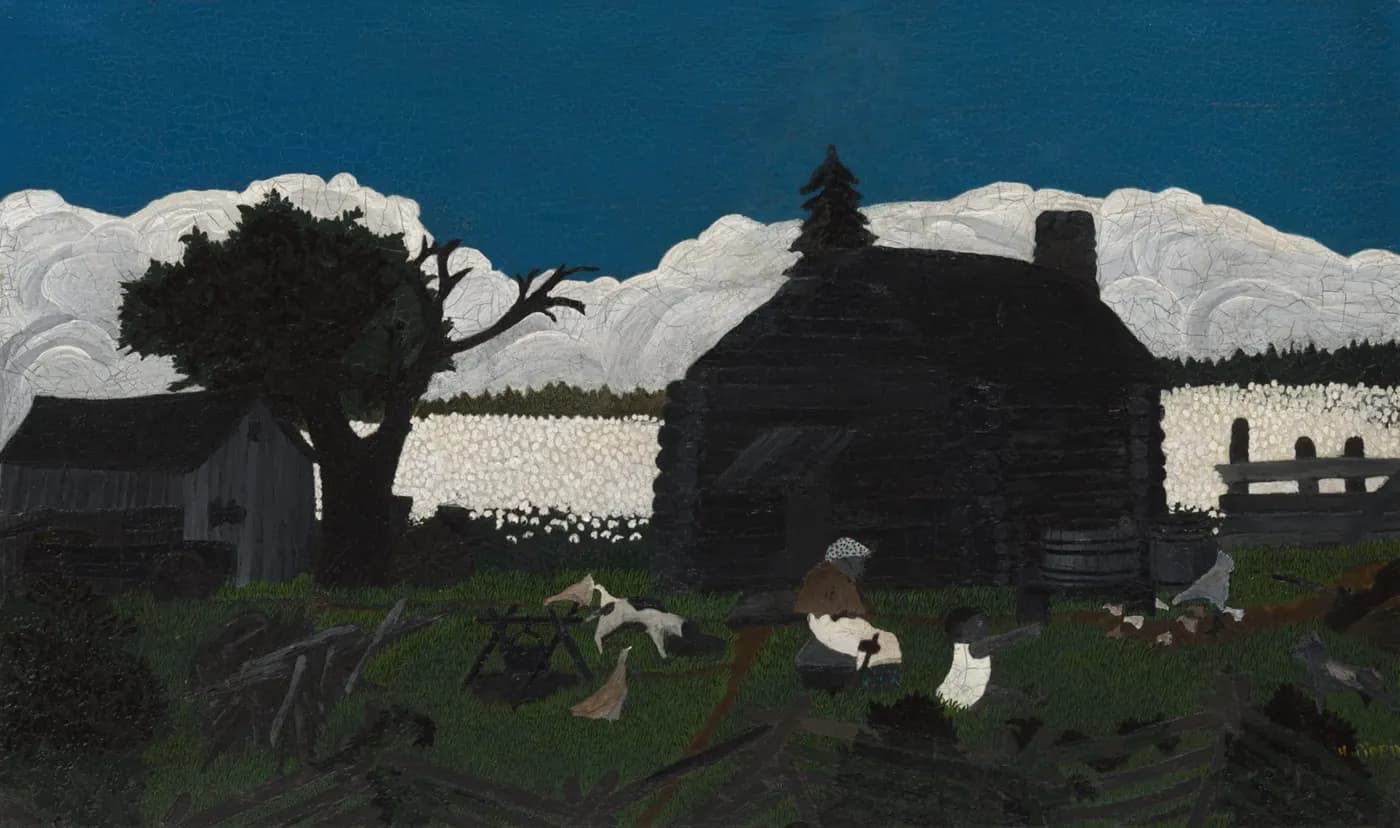
The second thing direction encodes is traffic. The quarters associated with protection and stability are, in most house plans, the ones you pass through — thresholds, stairs, entrances. Work hung there is seen in motion, at an angle, for a second at a time. It needs mass low in the frame and a composition that resolves quickly. A piece that rewards ten minutes of attention is wasted on a corridor.
None of this requires belief. Take the guidance as accumulated observation about light and movement, and it becomes straightforwardly useful: match the work's tonal range to the wall's light, and its compositional speed to how long anyone stands in front of it.
That is what the eight threads on Art Sutra encode. Each carries a direction, a set of rooms and a palette — not as a prescription, but as a starting point that is usually right.