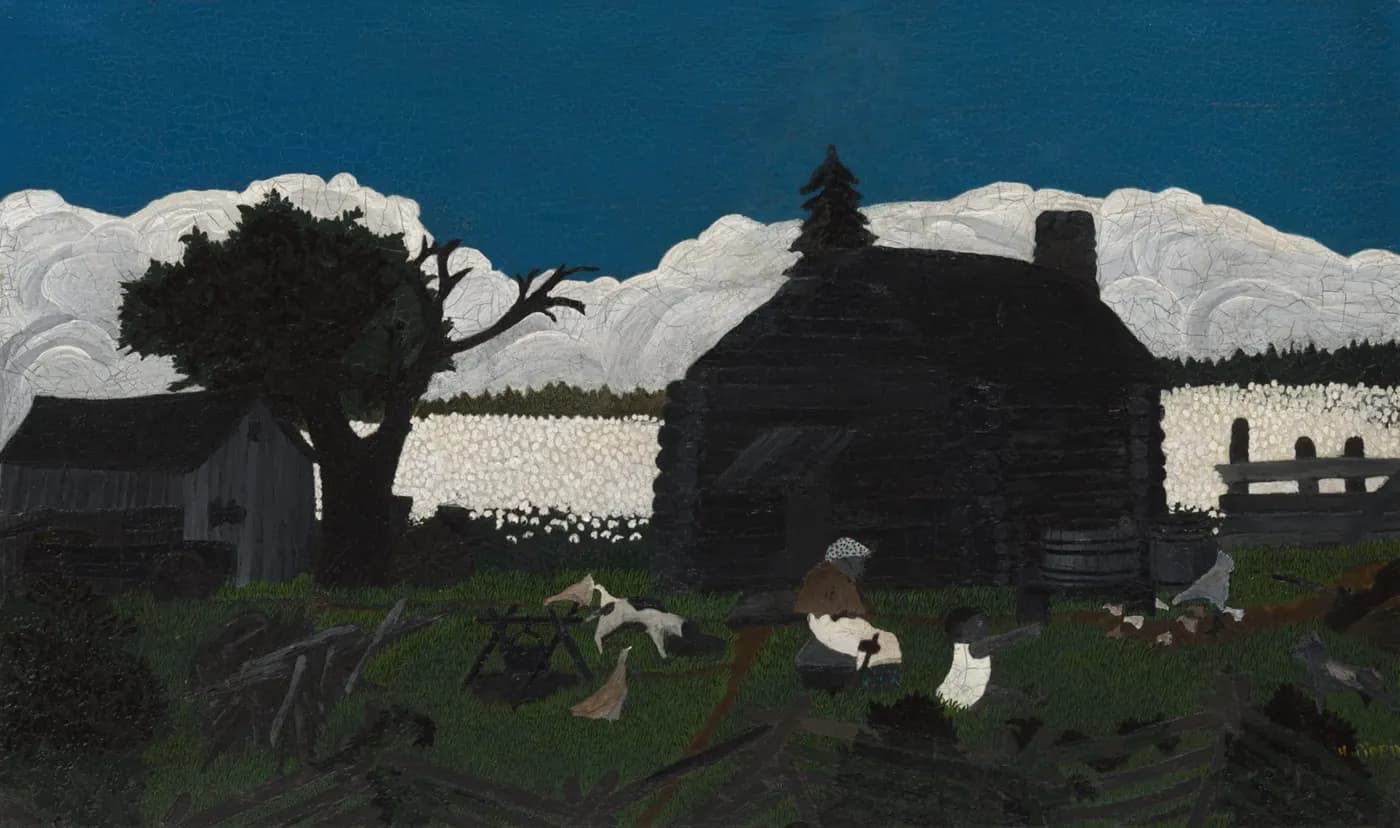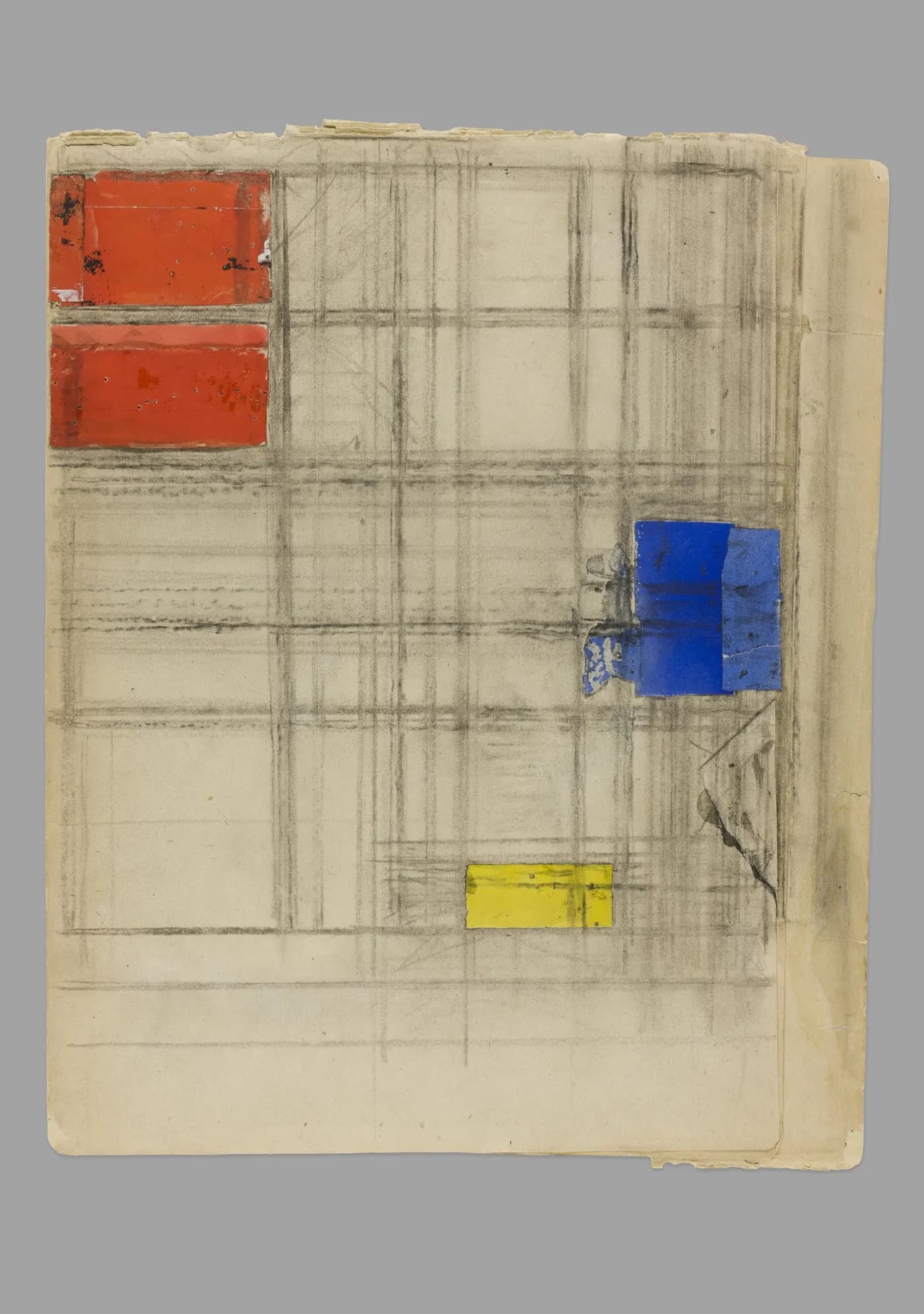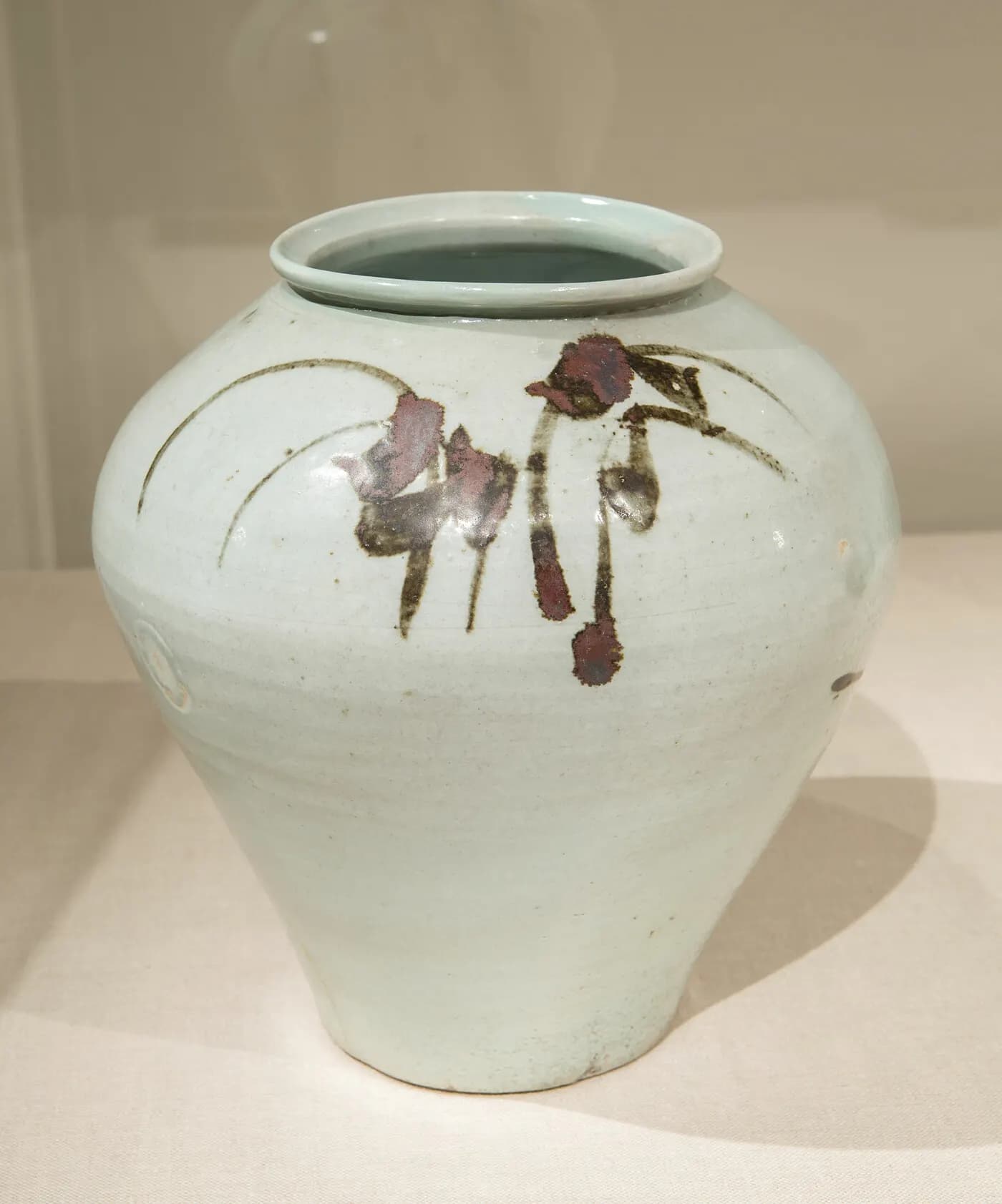
What colour actually does to a room, and what it doesn't
Colour psychology is oversold and under-understood. Here is the part that survives scrutiny — and how to use it when choosing work.
14 July 2026 · 7 minute read
Most of what circulates about colour psychology is marketing folklore. Blue does not make you trustworthy. Red does not make you hungry. The studies behind those claims are small, poorly controlled, and frequently contradicted. It is worth saying plainly, because a gallery that trades on mystique is a gallery you should not trust.
What does hold up is duller and more useful. Colour reliably affects three things: perceived temperature, perceived distance, and arousal.
Temperature is the most robust. Rooms painted in warm hues are consistently judged warmer than identical rooms in cool hues — by a couple of degrees. A north-facing room that never gets sun genuinely feels colder, and a large warm-toned work on its main wall does measurable perceptual work.
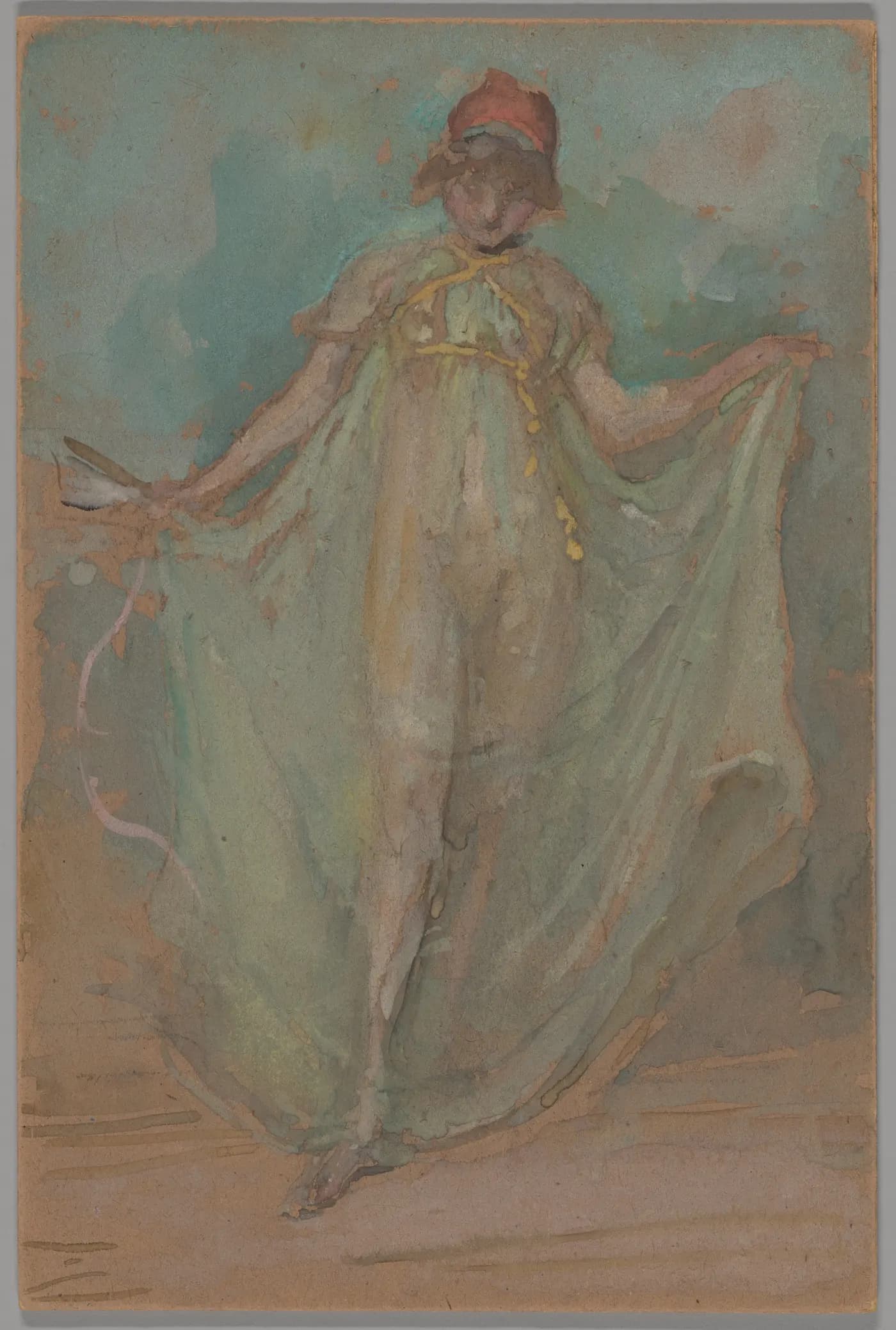
Distance is a function of wavelength and how the eye focuses. Warm, saturated colours appear to advance; cool, desaturated ones recede. A deep red painting in a small room shortens it. The same room with a pale, cool, atmospheric work reads as deeper than it is. This is why the calm thread tends toward mist, water and snow — those works are spatial expanders.
Arousal is real but blunt. High-saturation, high-contrast imagery raises physiological arousal slightly; low-contrast, low-saturation imagery lowers it. This is not a claim about mood or personality. It is a claim about alertness, and it is exactly why a bedroom and a studio want different work.
The practical rule that falls out of this: choose saturation for what the room is for, and temperature for what the room lacks. A cold room wants warmth on the wall. A small room wants recession. A room for winding down wants low contrast. Everything beyond that is taste, and taste is yours.
Where the folklore is harmless, we have kept it — the palettes attached to each thread draw on traditional associations because they are a shared language. Where it makes claims it cannot support, we have left it out.