An artist's first five listings
What to photograph, what to write, and what to price — from artists who have done it and would do it differently.
29 May 2026 · 6 minute read
The first listing is the hardest, and most artists make it harder than it needs to be by treating it as an application to be judged rather than an introduction to be made.
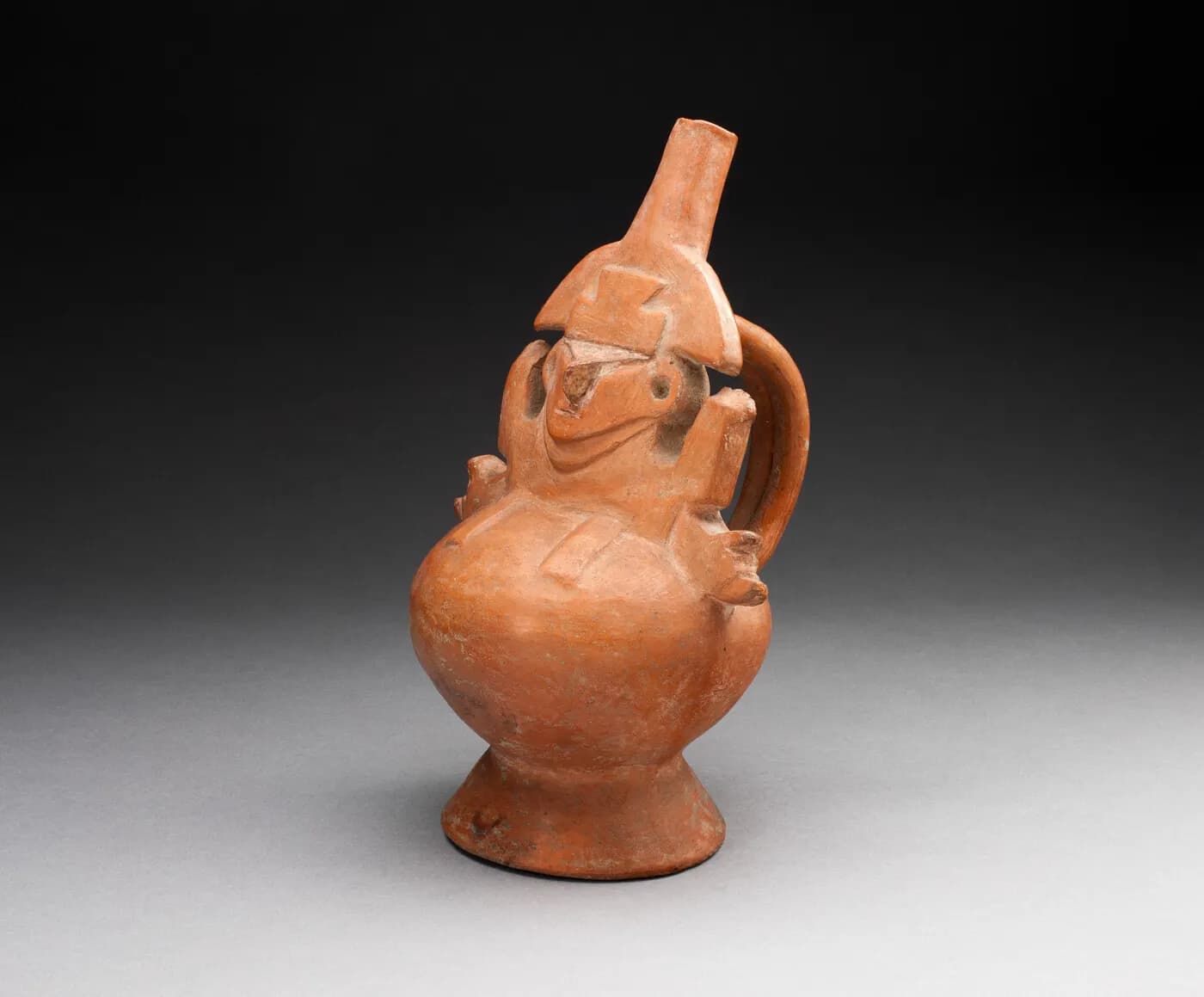
Photograph in daylight, indoors, away from direct sun — a north-facing window on an overcast day is close to ideal. Shoot square to the work, not at an angle. Include one detail shot at close range: brushwork, thread, tool marks. Collectors zoom in, and the detail shot is what convinces them the surface is real.
Do not colour-correct toward what you wish the work looked like. A buyer who receives something duller than the photograph will return it, and will be right to.
For the description, resist the urge to write an artist statement. Write what you would say to someone standing next to you in front of it. What were you working through? What is the part you are proudest of? What is it about, if it is about anything? Two honest paragraphs outperform a page of art-school abstraction every time.
Price by looking at comparable work by artists at a comparable stage, not by adding up the hours. Then hold the price. The single most common regret we hear is from artists who discounted early, trained their first buyers to wait for a discount, and spent two years undoing it.
Finally, list ten pieces rather than one. A single work reads as a test. Ten reads as a practice — and a practice is what collectors follow.