The thread behind the name
A sutra is a thread. What that word is doing at the centre of an art marketplace.
12 May 2026 · 4 minute read
Sūtra means thread. The same root gives English 'suture'. In Sanskrit literature it came to mean a text compressed to its absolute minimum — an aphorism so dense it needs a commentary to unfold, held together like beads on a string.
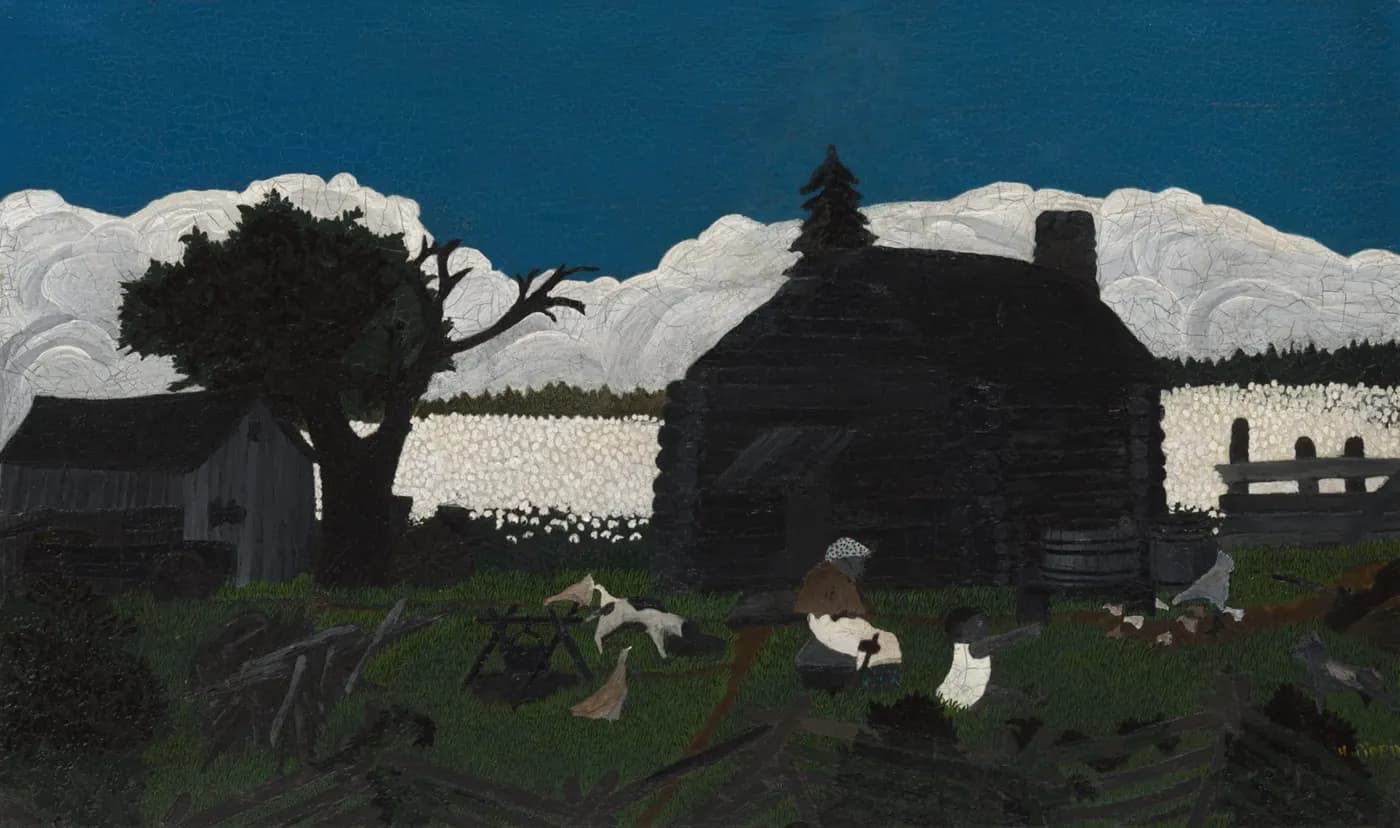
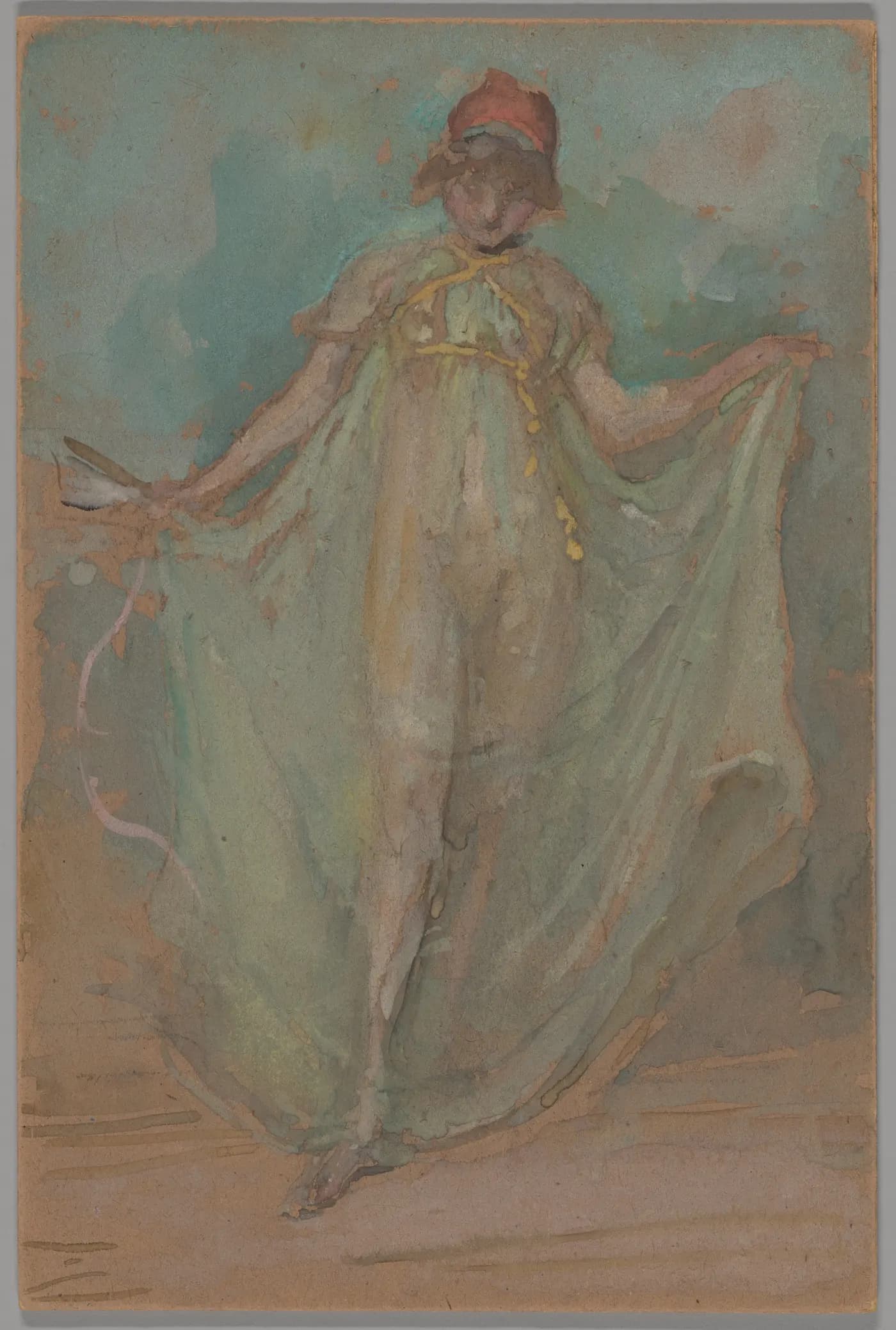
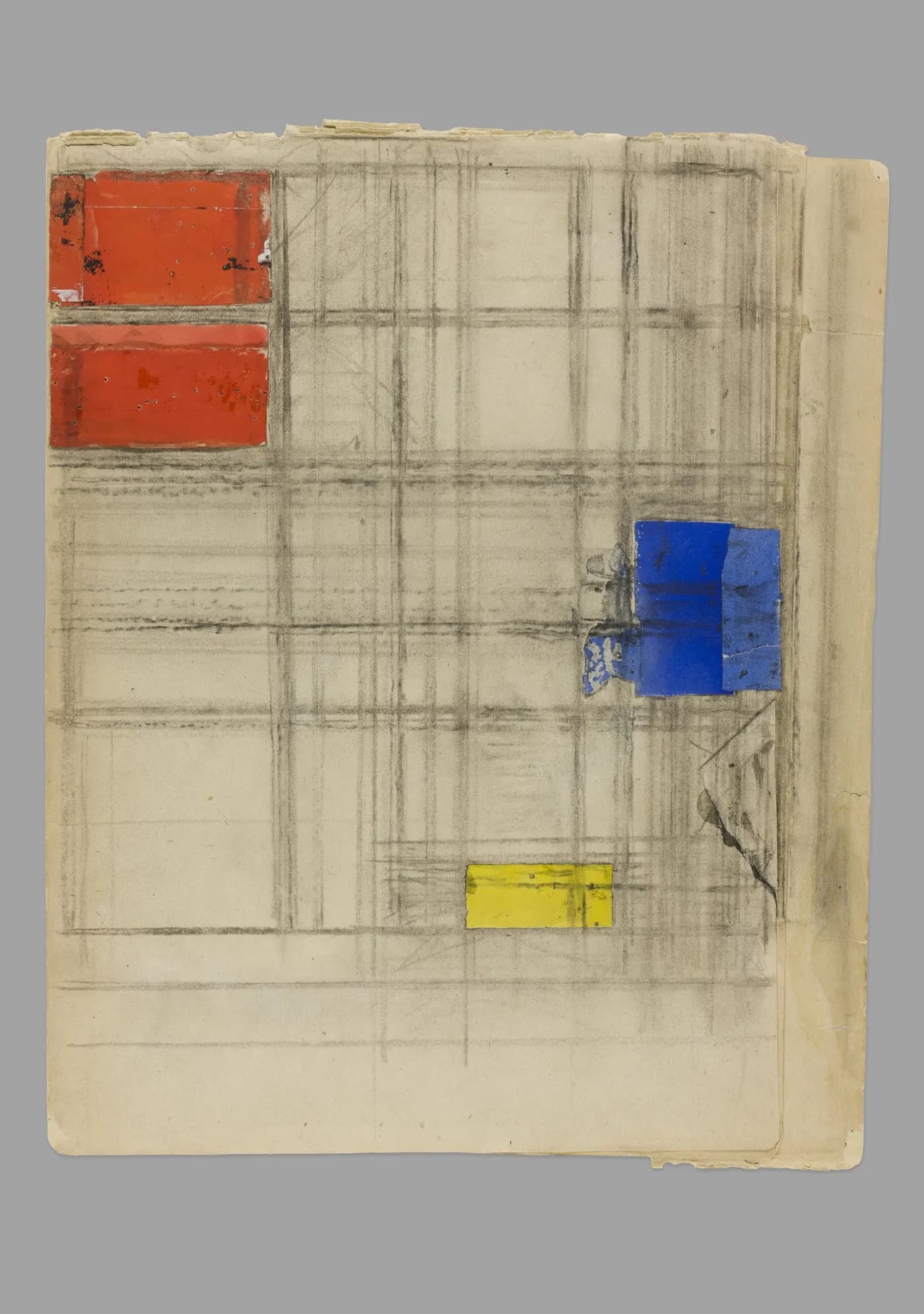
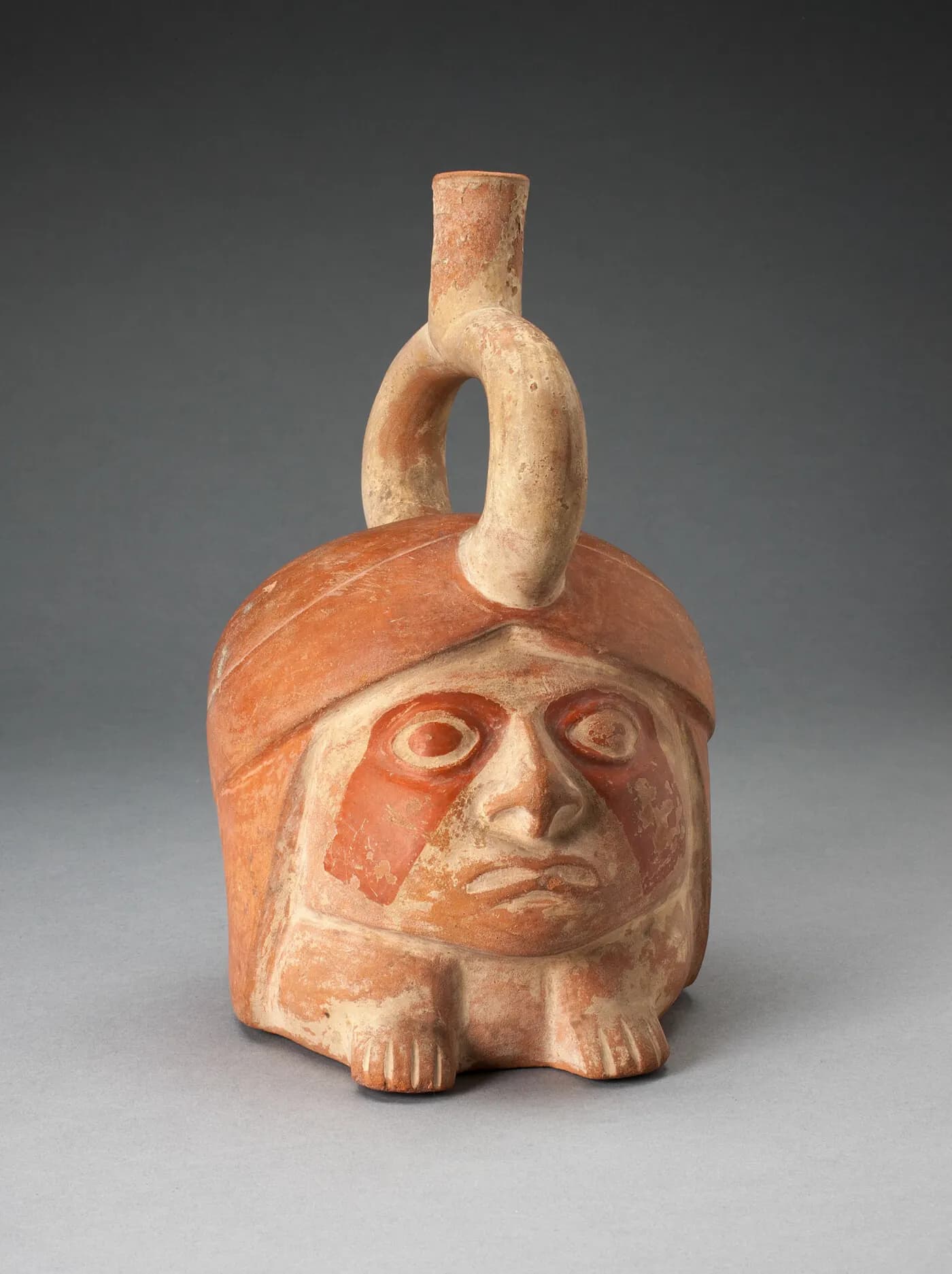
It is an unusually good word for what a work of art carries. Every piece arrives with a thread running through it: the hand that made it, the moment it was made in, the reason it exists, and eventually the rooms it has hung in and the people who chose it.
Most of the market cuts that thread. Work is photographed on white, stripped of its context, and sold as an image at a price. What survives is the object; what is lost is everything that made it worth having.
The commitment underneath this platform is that the thread stays attached. Artists write their own account of a work. Provenance is stated rather than implied. Where a piece comes from an open collection, we say so plainly instead of dressing it up.
It is also why the eight threads are the way in. Choosing by intention is not mysticism — it is asking what a work is for, which is the oldest question anyone has asked about art, and the one that a grid of thumbnails is worst at answering.